Find the sprinkler fault before you start replacing parts.
Describe the symptom. Follow checks from simple to technical. Know when the repair is safe to handle—and when it is time to call a pro.
- Symptom-first tests
- No signup
- U.S. residential systems
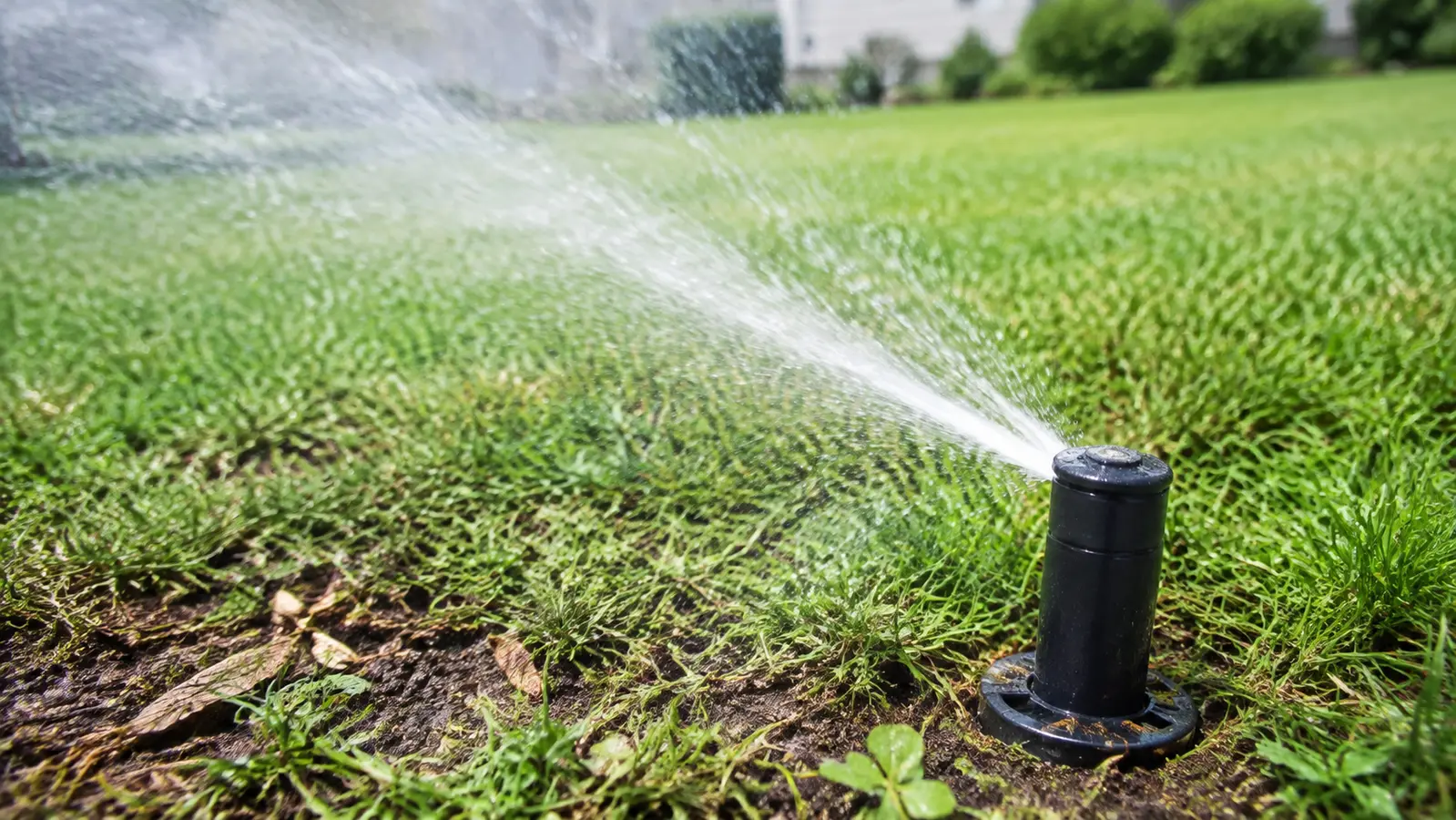
Always count how many components share the symptom.
What is your sprinkler system doing?
Follow the circuit that belongs to that zone
With other zones working, the shared supply and controller power are probably available. Check this station's programming, field wire, splice, solenoid, and valve before digging.
Diagnose one failed zoneShut off irrigation water promptly if water is approaching the foundation, street, or electrical equipment.
Common sprinkler problems, mapped by symptom
One Sprinkler Zone Not Working While the Others Are Fine
Use this symptom-first test to separate a controller, wire, solenoid, valve, or water-flow problem without digging first.
Open diagnostic 02ModerateLow Water Pressure in One Sprinkler Zone
Find out whether weak spray comes from clogged nozzles, a partially open valve, an overloaded zone, or a hidden lateral-line leak.
Open diagnostic 03ModerateSprinkler Head Leaking When the System Is Off
Tell normal low-head drainage from a valve that is seeping continuously, then choose the correct fix.
Open diagnostic 04UrgentSprinkler Zone Won't Shut Off
Stop the water safely and determine whether the controller or a mechanically stuck zone valve is responsible.
Open diagnostic 05ModerateSprinkler Controller Says Running but No Water Comes Out
Use the number of failed zones and the sound at the valve to narrow down power, sensor, common-wire, master-valve, and supply faults.
Open diagnostic 06LowSprinkler Head Won't Pop Up All the Way
Separate dirt around one riser from a zone-wide pressure or flow problem before replacing parts.
Open diagnostic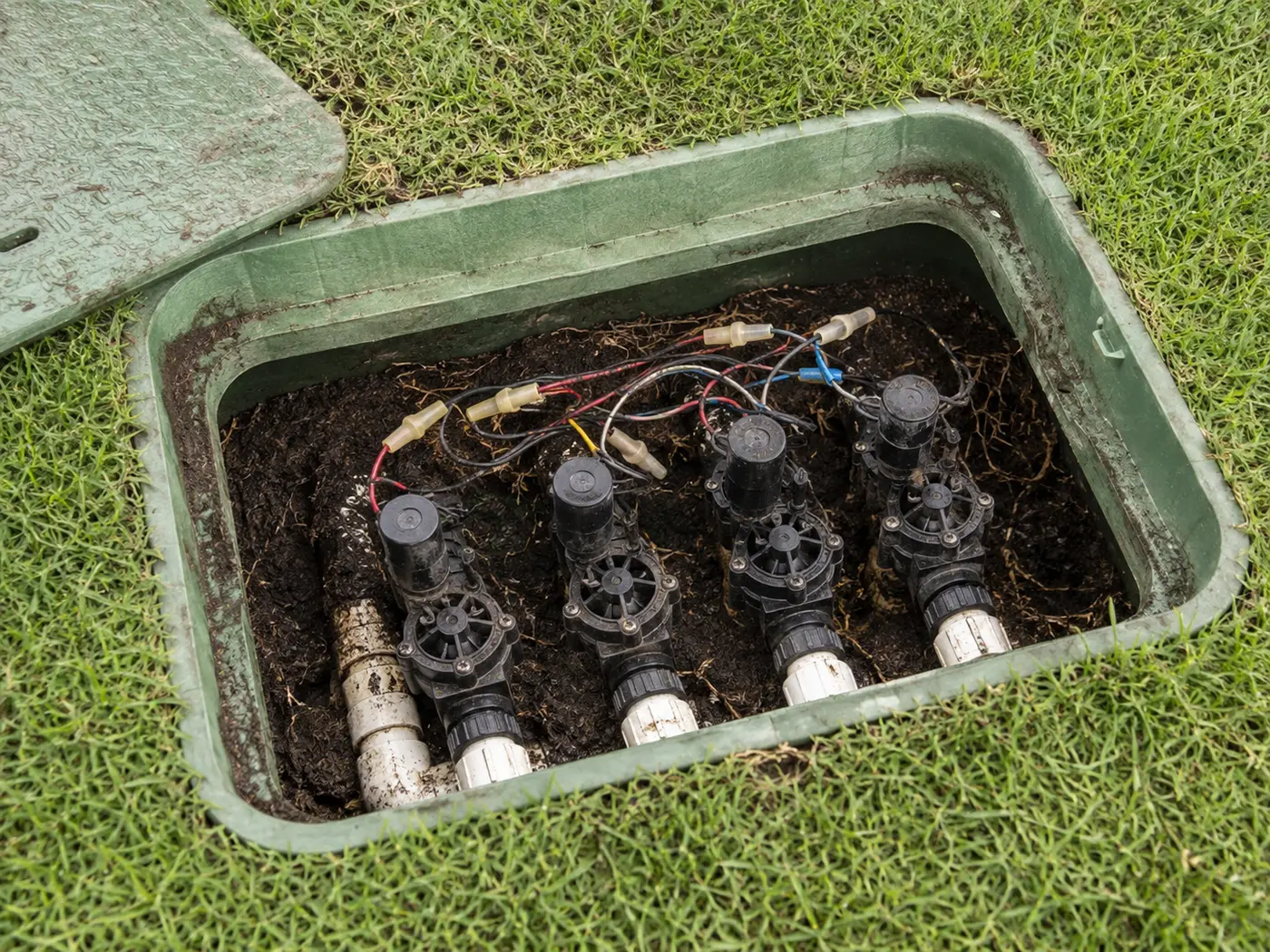 Valve-box reference · component layout checked before use
No generic “10 possible causes” list—and no instruction to dig first.
Every guide begins with the observable pattern: one head, one zone, several zones, or the entire system. That single distinction removes unlikely causes before tools or replacement parts enter the picture.
- 01ObserveCount affected heads and zones; note when the fault appears.
- 02IsolateSeparate controller, wiring, valve, pipe, and head problems.
- 03ActTry the safest first fix or take a precise diagnosis to a pro.
Turn lawn observations into usable numbers.
Check zone capacity, interpret a solenoid reading, estimate leak cost, or follow a symptom-first decision tree.
Built around water efficiency, practical safety, and manufacturer documentation.
Core maintenance principles are checked against EPA WaterSense guidance and product-specific instructions are sourced from current manufacturer support materials. We state uncertainty instead of inventing a universal fix.